The international Student Center (ISC)
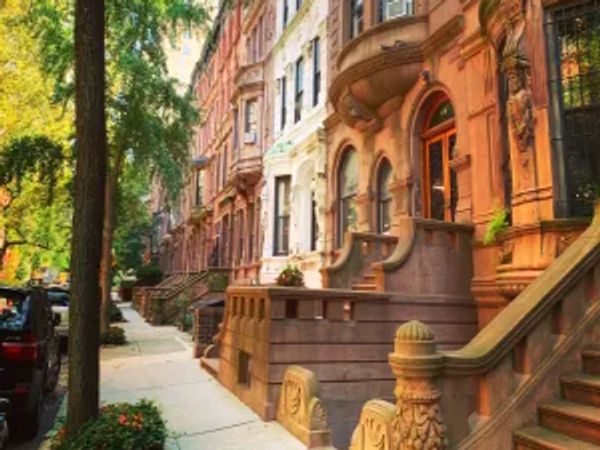
This is the place our mission is housed.
For nearly 70 years, AWTE has operated the International Student Center, a hostel, which has served as a catalyst - fostering transformational experiences, in an accessible and affordable way. Our center offers unique gathering spaces for intimate programs and events.
Learn More about our Accommodations and Meeting Spaces.
What We do

Curated Travel to NYC
Curated Travel to NYC
Curated Travel to NYC
Themed experiences focused on culture, civic engagement, English language skills, and study tours. Each program is designed exclusively to your needs and preferences.
Arts For PEACE
Curated Travel to NYC
Curated Travel to NYC
Peace Education through the Arts, Culture, and Exposure.
Exhibitions, Performances, Lecture, Workshops, Masterclasses, Film. and Literary Events.
Global Diplomacy
Curated Travel to NYC
Immersive Travel Abroad
Programs in partnership with the World Federation of United Nations Associations (WFUNA) to advance an active, engaged, and more representative citizentry.
Immersive Travel Abroad
International Counselor Exchange Program (ICEP)
Immersive Travel Abroad
Bespoke experiences where each journey is unique and authentic to your group’s interests. Expand your horizons, hone a passion, get re-inspired. We believe travel is an opportunity to grow.
International Counselor Exchange Program (ICEP)
International Counselor Exchange Program (ICEP)
International Counselor Exchange Program (ICEP)
We facilitate summer placements for international staff. This transformational program is expected to resume in 2024.
Accommodations & Meeting Space
International Counselor Exchange Program (ICEP)
International Counselor Exchange Program (ICEP)
Accommodations for up to 35 people and versatile meeting space in a desirable location.